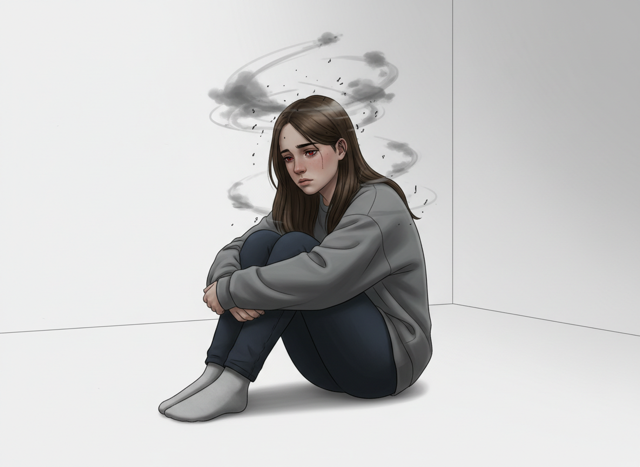
Suicidality in Children and Adolescents: Warning Signs and How to Seek Help
Learn warning signs of suicidality in youth, how to talk to a child or teen, and when urgent help is needed.
Suicidal thoughts and behaviors in children and adolescents are difficult to talk about, but it is crucial to address them clearly and without stigma. Early recognition of warning signs and timely professional support can be life-saving.
This article is educational and cannot replace an individual risk assessment. If there is immediate danger, seek urgent help right away.
What does suicidality include?
Suicidality can range from fleeting suicidal thoughts to persistent ideation, planning, self-harm with suicidal intent, and suicide attempts. In young people, suicidality may occur alongside depression, anxiety, trauma, eating disorders, impulsivity, substance use, or intense interpersonal conflict and bullying.
Warning signs to take seriously
- Statements about hopelessness, worthlessness, or wanting to disappear
- Talking about death or self-harm
- Withdrawal, loss of interest, social isolation
- Sudden decline in school functioning
- Major changes in sleep/appetite, irritability, emotional numbness
- Risky behavior, increased substance use
- Self-harm (cutting, burning, hitting) – always requires professional assessment
- Unexpected calmness after intense distress
Risk factors
- Mental health difficulties (depression, anxiety, behavioral disorders)
- Previous suicide attempt or self-harm
- Bullying or cyberbullying
- Family conflict, loss, neglect, or abuse
- Impulsivity and emotional dysregulation
- Access to means
Protective factors
- Stable, supportive relationship with at least one adult
- Sense of belonging
- Emotion regulation skills
- Timely professional care
How to talk to a child or teen about suicidal thoughts
- Ask directly and gently. Calm, direct questions do not plant the idea – they open the door to conversation.
- Listen without interrupting or judging.
- Validate feelings. Show that you understand how difficult things are.
- Do not promise secrecy if there is risk.
- Reduce access to means in the immediate environment.
When urgent help is needed
Urgent help is needed if the young person:
- has a plan and/or access to means
- has intense, persistent suicidal thoughts
- has attempted suicide or engaged in severe self-harm
Do not leave the young person alone. Seek emergency medical help or contact emergency services.
What professional help may look like
- Psychotherapy – individual or family
- Psychiatric evaluation – assessment and treatment plan
- Collaboration with school – coordinated support
- A clear safety plan – specific steps for crisis situations
In the Golden Mind Clinic (Zagreb), we provide assessment and support planning for children and adolescents.
FAQ
Is self-harm the same as a suicide attempt?
Not always, but it always requires professional assessment. Self-harm can be a way of coping with emotional pain, but it can also indicate increased risk.
Should I ask directly about suicidal thoughts?
Yes. Calm, direct questions do not plant the idea – they show you care and that it is safe to talk.
What if my teen refuses to talk or get help?
Stay present, repeat your support, and involve a professional. Do not give up – your presence matters.
What are the most common signs of suicidality in adolescents?
A combination of changes in mood and behavior: withdrawal, hopelessness, statements about death, self-harm, risky behavior, and sudden decline in functioning.
Can bullying increase the risk?
Yes. Prolonged bullying and cyberbullying can significantly increase feelings of helplessness and isolation.
What can I do immediately at home if I’m worried?
Stay with your child, talk calmly, remove dangerous means, and seek professional assessment.
Should the school be involved?
Often yes. The school can be an important source of information and support.
Can suicidality be treated?
Yes. With timely assessment, a safety plan, and appropriate professional support, risk can be reduced.
Suicidality in children and adolescents is serious, but it is not a topic that should be silenced. With timely recognition, environmental support, and professional help, it is possible to reduce risk and help young people find safer ways of coping with suffering. If you are concerned about your child or teenager, seek professional assessment as soon as possible.