Generalized Anxiety and Social Anxiety in Adolescents — Worry, Pressure, and Avoidance
In adolescence, anxiety often centers on school performance, peer relationships, identity, and self-image. Learn how generalized and social anxiety may appear.
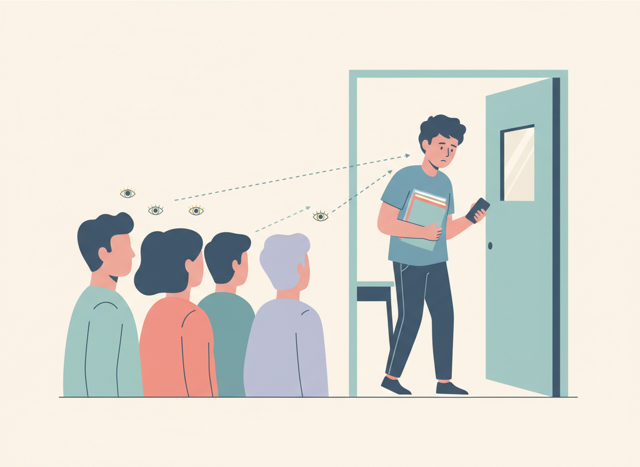
In adolescence, anxiety often changes shape: it becomes less about parents and more about school performance, peer relationships, identity, and self-image. An adolescent may look just withdrawn or just perfectionistic, while internally struggling with intense worry and fear of being judged.
Generalized Anxiety Disorder (GAD): constant worries about everything
With GAD, a child or adolescent experiences chronic, hard-to-control worry that is not limited to one topic. Worries may involve school, health, family, finances, or disasters.
Common signs:
-
frequent reassurance seeking (Am I okay? What if something bad happens?)
-
restlessness, tension, irritability
-
difficulty concentrating
-
muscle tension
-
sleep difficulties
Important: in children, fewer symptoms may be sufficient for diagnosis than in adults, and physical complaints may be more prominent.
Social anxiety: what if they judge me?
Social anxiety is the fear of negative evaluation by others. It may look like:
-
avoiding answering in class, presentations, social events
-
intense discomfort in unfamiliar situations
-
blushing, trembling, nausea
-
low self-esteem and fear of criticism
Introversion or social anxiety?
-
Introversion: a person prefers calmer activities and a smaller circle, but can engage when they want to.
-
Social anxiety: a person wants to, but feels unable to — because fear and anticipation are overwhelming, leading to avoidance.
Social anxiety online
In adolescents, social anxiety can also show up as:
-
fear of posting and receiving comments
-
excessive editing of messages
-
stress about “seen,” comparisons, and likes
-
withdrawing from group chats
What is the goal of treatment?
Not to remove all anxiety, but to:
-
learn to recognize and regulate anxiety
-
reduce avoidance
-
restore functioning (school, relationships, activities)
-
strengthen a sense of competence and safety
Treatment often combines psychotherapy (cognitive-behavioral and/or psychodynamic), parental work, and in more severe cases, medication alongside psychotherapy.
First-aid techniques (to start with)
-
Breathing (longer exhale than inhale) to reduce physical tension.
-
Grounding: 5 things I can see, 4 I can feel, 3 I can hear…
-
A plan for a hard situation (e.g., a presentation): small steps + realistic expectations + focus on “good enough.”
When to consider medication?
In children and adolescents, medication is considered when symptoms are severe, persistent, and significantly impair functioning, especially with comorbidity. Typically, medication is planned alongside psychotherapy and regular monitoring.
Booking and intake form
-
Appointments: +385 91 605 84 76
-
Website: https://www.poliklinikagoldenmind.hr
Booking form (copy/paste into an email):
-
Adolescent full name:
-
Age:
-
Reason for reaching out (worries, panic attacks, school/social avoidance, physical symptoms):
-
How long symptoms have been present:
-
School functioning (e.g., absences, concentration decline, pressure):
-
Sleep (difficulty falling/staying asleep):
-
Any previous assessment or therapy (yes/no):
-
Parent/guardian contact phone:
-
Preferred time (morning/afternoon) and days (if known):
Note: This text is for informational purposes and cannot replace an individual clinical assessment.