Separation Anxiety and School Avoidance — What’s Really Going On?
School refusal is often not laziness or stubbornness, but anxiety. Learn how separation anxiety may look and when professional assessment can help.
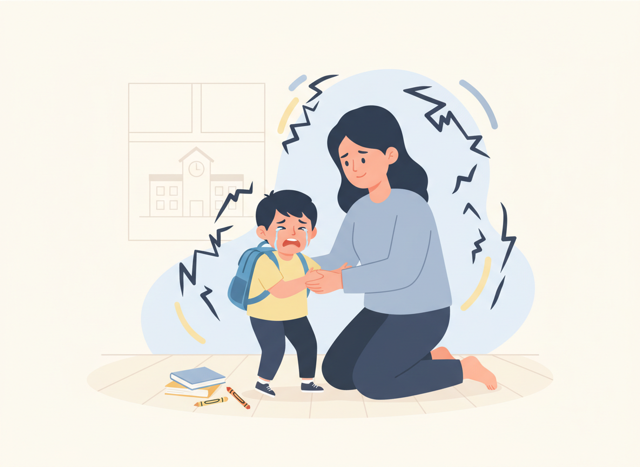
One of the most common reasons a child refuses kindergarten or school is not “laziness” or “stubbornness,” but anxiety. A particularly common pattern is Separation Anxiety Disorder (SAD) — an intense fear of being away from an attachment figure.
It’s important to know: a child who cries in the morning, complains of stomach pain, or reacts with panic is often not “acting.” They are experiencing genuine distress.
What does Separation Anxiety Disorder look like?
A child may:
-
worry persistently that something bad will happen to a parent (illness, accident, death)
-
refuse to go to school/kindergarten
-
struggle to fall asleep alone and insist on sleeping with parents
-
fear being alone at home
-
have nightmares with separation themes
Physical symptoms are also common (nausea, vomiting, stomach aches, headaches), especially before separation. Many families go through multiple medical checks first — while the child is, in a way, “speaking through the body.”
“School phobia” — why the term is often misleading
The phrase “school phobia” is used frequently, but it can hide different underlying causes of school absence:
-
separation anxiety
-
social anxiety
-
depressive symptoms
-
stress and adjustment difficulties
-
specific learning difficulties
-
behavioral difficulties
That’s why assessment matters: what is the child actually afraid of, and what are they avoiding?
“I can’t” or “I won’t”? How to recognize anxiety behind resistance
With anxiety, we often see:
-
strong physical symptoms before leaving
-
panic, crying, “clinging” to the parent
-
noticeable relief once the child is allowed to stay home
With other causes (e.g., primarily behavioral), the pattern may look different. In real life, causes can overlap — which is exactly why a professional assessment can be so helpful.
What helps?
-
A clear, calm morning routine.
-
Gradually reducing avoidance (with support).
-
Working with parents (because parental anxiety and overprotection can unintentionally maintain the problem).
-
Psychotherapy focused on safety, emotion regulation, and separation.
What typically does NOT help (even if it sounds logical)
-
long morning negotiations
-
“you can stay home today to calm down” (if it becomes a repeated pattern)
-
threats or shaming
-
taking over every difficult situation instead of helping the child build coping skills
Returning to school: small steps and clear agreements
When absences last longer, a step-by-step plan is often useful:
-
agree with the child and parent on the first realistic step
-
contact the school (teacher/school counselor)
-
gradually increase time spent at school
-
monitor symptoms and reward effort (not “perfect performance”)
If a child has been missing school for weeks, becomes socially isolated, or symptoms are worsening, it’s usually better to seek support sooner rather than “wait for it to pass.”
Booking and intake form
-
Appointments: +385 91 605 84 76
-
Website: https://www.poliklinikagoldenmind.hr
Booking form (copy/paste into an email):
-
Child/adolescent full name:
-
Age:
-
Reason for reaching out (1–2 sentences):
-
How long symptoms have been present:
-
School/kindergarten absence (yes/no; if yes, how often):
-
Physical symptoms (e.g., stomach aches, headaches):
-
Parent/guardian contact phone:
-
Preferred time (morning/afternoon) and days (if known):
Note: This text is for informational purposes and cannot replace an individual clinical assessment.